
早悟蘭因,苦海浮沉回此生
Awaken Sooner to the Orchid Cause; Turn Back from the Sea of Suffering
我的修行心路:從病苦到老實念佛 My Spiritual Journey: From Illness and Suffering to Earnest Recitation of the Buddha’s Name
五雷暫退纏身冤 萬佛終消累世孽
Five Thunders Repel the Karmic Creditors That Entwine the Body
Ten Thousand Buddhas Finally Dissolve the Transgressions of Many Lives
去年九十月間,我病倒了。周身疼得厲害,說不上要命,卻怎麼也好不了。北京好幾家三甲醫院跑遍了,中醫也看了,前後整整三個月,病根始終沒查出來。實在疼得受不住,萬般無奈之下,我才動用所學的驅邪符咒,自己吞服了下去——這類符咒,本來是不建議自行服用的。符水一入口,疼痛立刻就緩了。我這才確認:病根和冤親眾生有關,而且這段因緣並不簡單。那幾天我著實寬心,以為事情就這麼了結了。
In September and October of last year, I fell ill. My whole body ached severely—not enough to be fatal, yet it would not heal no matter what. I went to several top-tier hospitals in Beijing and also saw Chinese medicine practitioners; for three whole months, the root of the illness was never found. When the pain became truly unbearable, in utter desperation I resorted to the exorcism talismans I had learned and swallowed one myself—talismans of this kind are not normally recommended for personal consumption. The moment the talisman water entered my mouth, the pain immediately eased. Only then did I confirm: the root of the illness was connected to karmic creditors, and this karmic affinity was by no means simple. For those few days I was genuinely relieved, thinking the matter was settled.
可我高興得太早。眾生也有靈智,不會被一擊打絕、一打就走,那都是小說裡寫的。符咒靠雷火之力把它們逼退,法勢一弱,它們又折返回來;加上我功力有限,反覆用下來,法門越來越不靈,對方早摸清了我的深淺。結訣對峙的時候,靈體的能量甚至直接壓在我手上,讓我雙手冰涼,還攪亂我的思緒,想方設法阻止我出手。偏雷火屬性的符咒最是燥烈,我當時久病、元氣大傷,體質又單薄,一喝就上火,身上起了一片熱疹,反倒惹出新的毛病。就這樣,我卡進了進退兩難的死局。
But I rejoiced too soon. Sentient beings also have intelligence; they will not be wiped out by a single blow or driven away at the first strike—that only happens in novels. The talismans relied on the power of thunder and fire to force them back, but once the ritual force weakened, they returned; and since my own power was limited, the more I used them repeatedly, the less effective the method became—the other side had long since taken my measure. When I confronted them with mudras, the energy of the spirits even pressed directly upon my hands, making them ice-cold, and disrupted my thoughts, trying every means to stop me from acting. Moreover, talismans of the thunder-fire type are the most arid and fierce; at the time I was long ill and my vital energy greatly depleted, and my constitution was frail—drinking it brought on internal heat, and a rash of heat bumps broke out on my body, creating new problems instead. Thus I was caught in a deadlock from which I could neither advance nor retreat.
在我生病前的那幾年中,我一直在從事寫作工作,因為一些機緣,常年跟玄學、神秘力量打交道,道門一位法師早把我的竅全開了,所以對靈界那一層,我的感知比常人要敏銳一些。可我不太願用迷信的眼光看事情。在我看來,很多修行人太依賴夢境、特殊的體感和見聞,而這些東西大多沒法反覆驗證,很大一部分不過是自己心裡意象的投射;真正靠得住的感應,既要能感知到超越日常的層面,也要能印證現實裡的事物,且能被反覆印證,而不是天天都沉溺於虛無縹緲的東西,這才算得上真的「神通」。再說,倘若一個人只能感應到鬼道、山精妖物,那其實說明他自己就和這些東西同頻,這樣的竅,開了未必是好事。
In the years before I fell ill, I had been engaged in writing work. Through certain opportunities, I had long been in contact with metaphysics and mysterious forces, and a Daoist master had fully opened my subtle apertures, so my perception of the spirit realm was keener than that of ordinary people. But I was unwilling to view things through a superstitious lens. In my view, many practitioners rely too much on dreams, special bodily sensations, and visions—yet these things mostly cannot be repeatedly verified, and a large part of them are merely projections of one’s own mental imagery. A truly reliable perception must both sense the level beyond the everyday and be corroborated by things in reality, and be repeatedly verifiable—rather than drowning every day in vague and ethereal things. Only that counts as true “spiritual power.” Moreover, if a person can only sense the ghost realm and mountain spirits and demons, that actually shows that he himself is on the same frequency as such things—such apertures, once opened, may not be a good thing.
也正因為這份較真,起初那三個月,我生病時,寧可一趟趟往醫院跑,也沒往鬼神上去想。
Precisely because of this seriousness, during the first three months of my illness I preferred to run to the hospital again and again rather than think in terms of ghosts and spirits.
就在我被這病逼到牆角、用符咒也解決不了問題,幾乎沒了指望的時候,我想起了十年前的一段善緣。那時我做義工,曾給一位法師當過司機,也早就知道宣化上人和萬佛聖城的殊勝。
Just when I was cornered by this illness and could not solve the problem even with talismans, almost without hope, I remembered a wholesome connection from ten years earlier. At that time I was doing volunteer work and had once served as a driver for a Dharma master, and I had long known of the extraordinary qualities of Master Hsuan Hua and the City of Ten Thousand Buddhas.
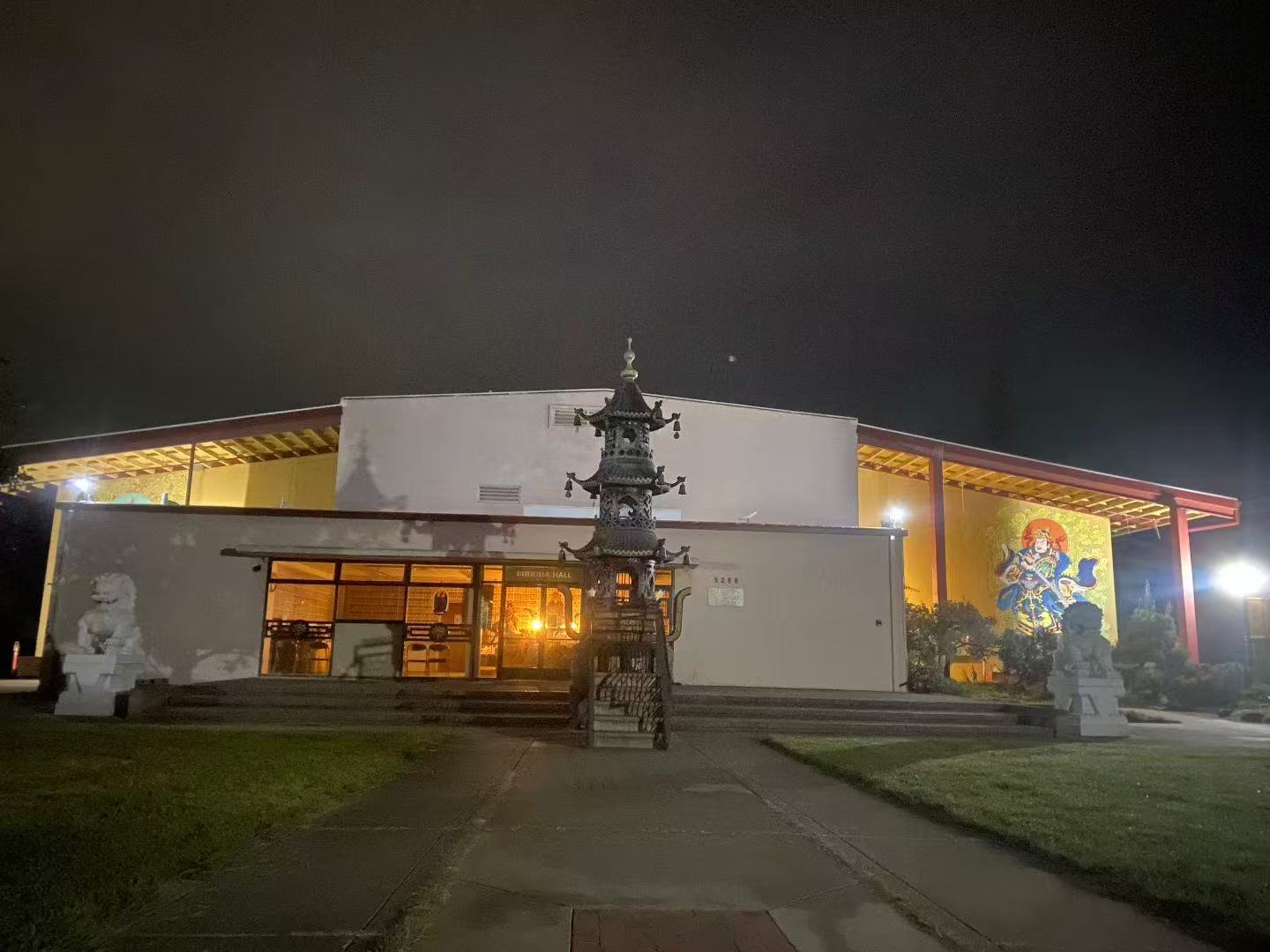
於是我撥通了這位法師的視頻,法師把鏡頭對著宣化上人的法相,讓我對著上人把話說出來。我說自己年紀還輕,卻得了這麼個怪病,想來過去有意無意傷過不少眾生;聽說磕萬佛懺是極有力的懺悔,走投無路之下,我發心拜萬佛懺,願把全部功德迴向給糾纏我的眾生,祈請佛菩薩和護法神明做個見證、從中調停,化解宿債,讓病好起來。
So I video-called this master. The master pointed the phone camera at the image of Master Hsuan Hua and told me to speak my words before the Master. I said that I was still young yet had contracted such a strange illness, and that I must have knowingly or unknowingly harmed many beings in the past; I had heard that bowing the Ten Thousand Buddhas Repentance is an extremely powerful form of repentance, and with nowhere else to turn, I resolved to bow the Ten Thousand Buddhas Repentance, vowing to dedicate all the merit to the beings who were entangled with me, and to beseech the Buddhas, Bodhisattvas, and Dharma-protecting deities to bear witness and mediate, to dissolve the karmic debts and let the illness heal.
話剛說完,病當即就好轉了,我感到一股像甘露水一樣的清涼從頭頂貫下來,直透到病痛的地方——這和道教符咒那種燥熱的雷火,是截然不同的感受。可因緣太深,好轉沒幾天,眾生又回來了,痛苦再度襲來。我不願反覆打擾法師,索性下定決心,把萬佛懺整整拜完。
The moment I finished speaking, the illness immediately improved. I felt a coolness like sweet dew pouring down from the crown of my head, penetrating straight to the place of pain—utterly different from the arid thunder-fire of Daoist talismans. But because the karmic affinity was too deep, within a few days of improvement the beings returned and the pain struck again. Unwilling to disturb the master repeatedly, I simply made up my mind to bow the entire Ten Thousand Buddhas Repentance to completion.
拜懺的過程並不輕鬆:每回磕頭時病就輕一點,一停下來又發作,整體上遲遲不見起色,直到我把整部萬佛懺磕圓滿。真正的轉機來得猝不及防——拜圓滿後沒多久,恰逢立春,我的病竟在那一天驟然痊癒。它不是慢慢好的(若是緩慢恢復,倒還能算作醫療見效),而是在立春當天一下子徹底好了,此後再沒復發。這場經歷讓我生起很深的懺悔心,也真切體會到佛法力量的不可思議。恰好趕上萬佛聖城五十週年,種種因緣湊到一起,我下定決心奔赴聖城。從國內遠赴美國,本是我極難下的決心,是這場病的化解,最終推了我一把。
The process of bowing the repentance was not easy: each time I bowed, the illness eased a little, and as soon as I stopped it flared up again; on the whole there was little improvement for a long time, until I completed the entire Ten Thousand Buddhas Repentance. The real turning point came without warning—shortly after completing the bowing, it happened to be the Beginning of Spring, and my illness suddenly healed completely on that very day. It did not heal gradually (a slow recovery could at least be attributed to medical efficacy), but was completely gone all at once on the day of the Beginning of Spring, and never recurred afterward. This experience gave rise to deep repentance in me, and I truly experienced the inconceivable power of the Buddhadharma. It happened to coincide with the fiftieth anniversary of the City of Ten Thousand Buddhas; various conditions converged, and I resolved to go to CTTB. Traveling from China all the way to the United States was originally a decision extremely difficult for me to make—it was the resolution of this illness that finally pushed me to it.
初登聖城窺淨境 飽歷無常見苦空
A Glimpse of the Pure Realm When First Visiting CTTB
A Realization of Suffering and Emptiness After Weathering Impermanence
今年對我來說,是感悟特別深的一年。動身去聖城之前,父親突發腦梗,剛發病時情況很危急:手腳幾乎動不了,站都站不穩,意識混混沌沌,話說得顛三倒四,記憶力也衰退,整個人近乎阿爾茨海默症的狀態。原本好端端的父親,一下子變成這樣,對我打擊很大,那段時間我也替他拜了許多萬佛懺。
This year has been a year of especially deep realization for me. Before I set out for CTTB, my father suddenly suffered a cerebral infarction. At the onset the situation was critical: his hands and feet could barely move, he could not even stand steadily, his consciousness was muddled, his speech was incoherent, his memory had declined, and his whole state was close to Alzheimer’s. My father, who had been fine, suddenly became like this—it was a great blow to me, and during that time I also bowed many Ten Thousand Buddhas Repentances on his behalf.
我第一次去聖城,本是為了還願——感念自己這場業病得以化解,也為父親祈願,求他闖過腦梗這一關。很多人以為,一到道場就能感到強烈的能量感應,可我這趟並沒有這種體驗。我慢慢理解到:佛菩薩不主動示現、不動用功德之力的時候,能量並不會刻意調動,並不是時時刻刻都顯出震撼的異象。
My first visit to CTTB was originally to fulfill a vow—out of gratitude for the resolution of my karmic illness, and also to pray for my father, that he might get through the hurdle of the cerebral infarction. Many people assume that as soon as one arrives at a monastery one will feel a strong energetic response, but I had no such experience on this trip. I gradually came to understand: when the Buddhas and Bodhisattvas do not actively manifest or invoke the power of merit, energy is not deliberately mobilized—it is not that startling wonders are displayed at every moment.
這一趟最大的收穫,是體會到清淨的力量。我領會到,從人天一直到更高的境界(比如非想非想處天),核心的特質就是慾望一層層地減少——這也正是佛菩薩教人持五戒、放下貪慾的根本道理:慾望越淡,越能往上超脫;哪怕法力再強,慾望一重,照樣困在低處,就像清的往上升、濁的往下沉。
The greatest gain of this trip was experiencing the power of purity. I came to understand that from the human and heavenly realms all the way up to higher states (such as the Realm of Neither Perception nor Non-Perception), the core characteristic is the progressive reduction of desire—and this is precisely the fundamental principle behind the Buddhas and Bodhisattvas teaching people to observe the Five Precepts and let go of greed: the fainter the desire, the higher one can transcend; no matter how great one’s spiritual power, if desire is heavy, one remains trapped in the lower realms—just as the clear rises and the turbid sinks.
這一點也讓我想到道門和別的修行體系裡,不少人在人間的法力遠超常人,卻因為斷不掉厚重的慾望,始終沒法再進一步。待在聖城這片清淨裡,我自己的慾望也跟著淡了,打坐更容易安定,戒定慧的力量都在長。
This also made me think of the Daoist tradition and other cultivation systems: many people there possess spiritual powers in the human realm far beyond ordinary people, yet because they cannot sever heavy desire, they can never advance further. Staying in the purity of CTTB, my own desires also faded, sitting meditation became easier to settle into, and the power of precepts, concentration, and wisdom all grew.
我還親眼看到聖城比丘們的修行:不為求財,不圖名聲,老老實實用功,每天凌晨三點半就起身。親眼看見這樣的日子,我很受觸動,也明白了修行的本意,就是掙脫世俗的束縛,沿著戒定慧一直走下去。
I also personally witnessed the practice of the monastics at CTTB: not seeking wealth, not coveting fame, honestly and earnestly applying themselves, rising at three-thirty every morning. Seeing such a life with my own eyes moved me deeply, and I understood that the original intent of cultivation is to break free from worldly bonds and walk on along precepts, concentration, and wisdom.
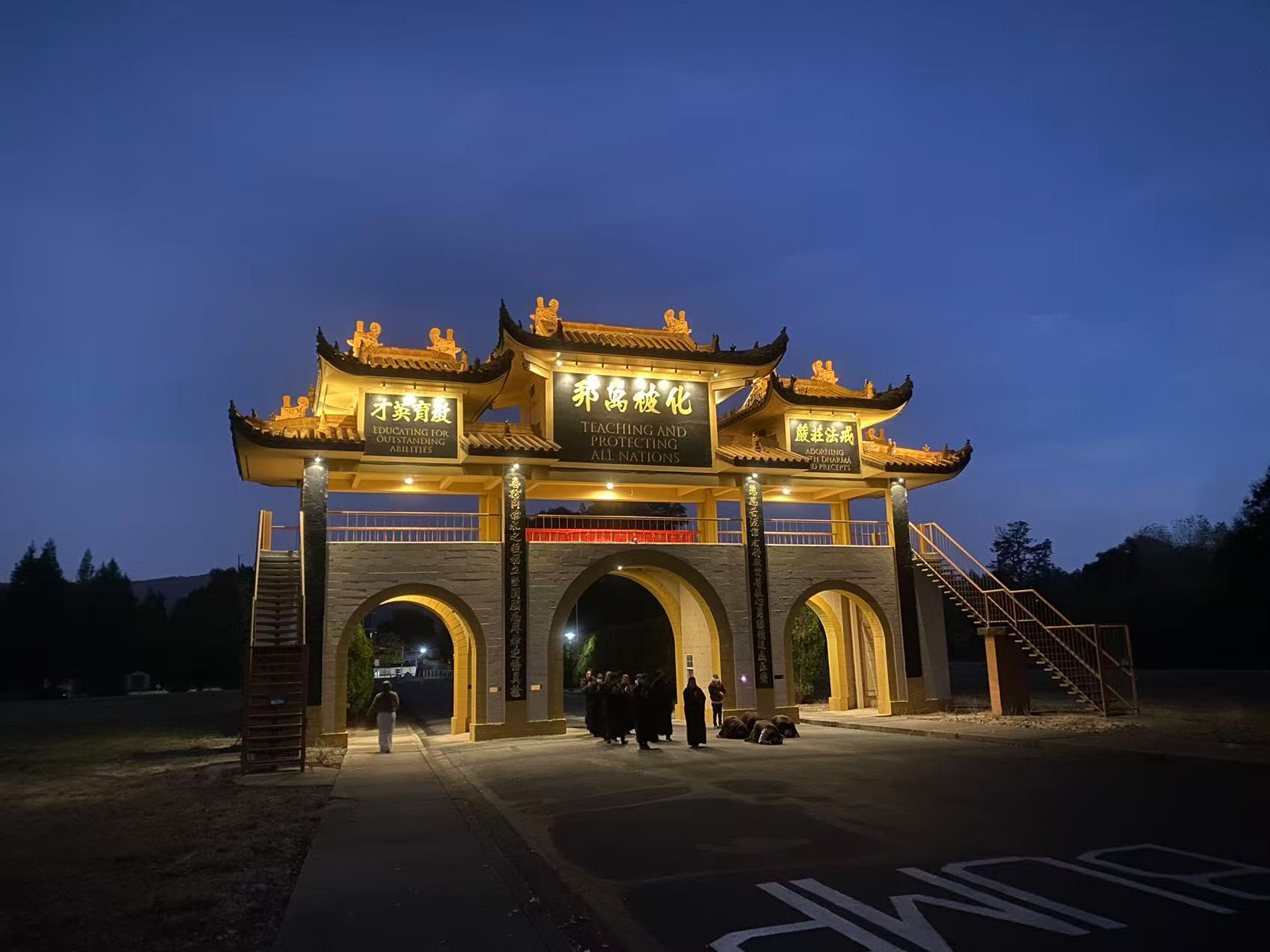
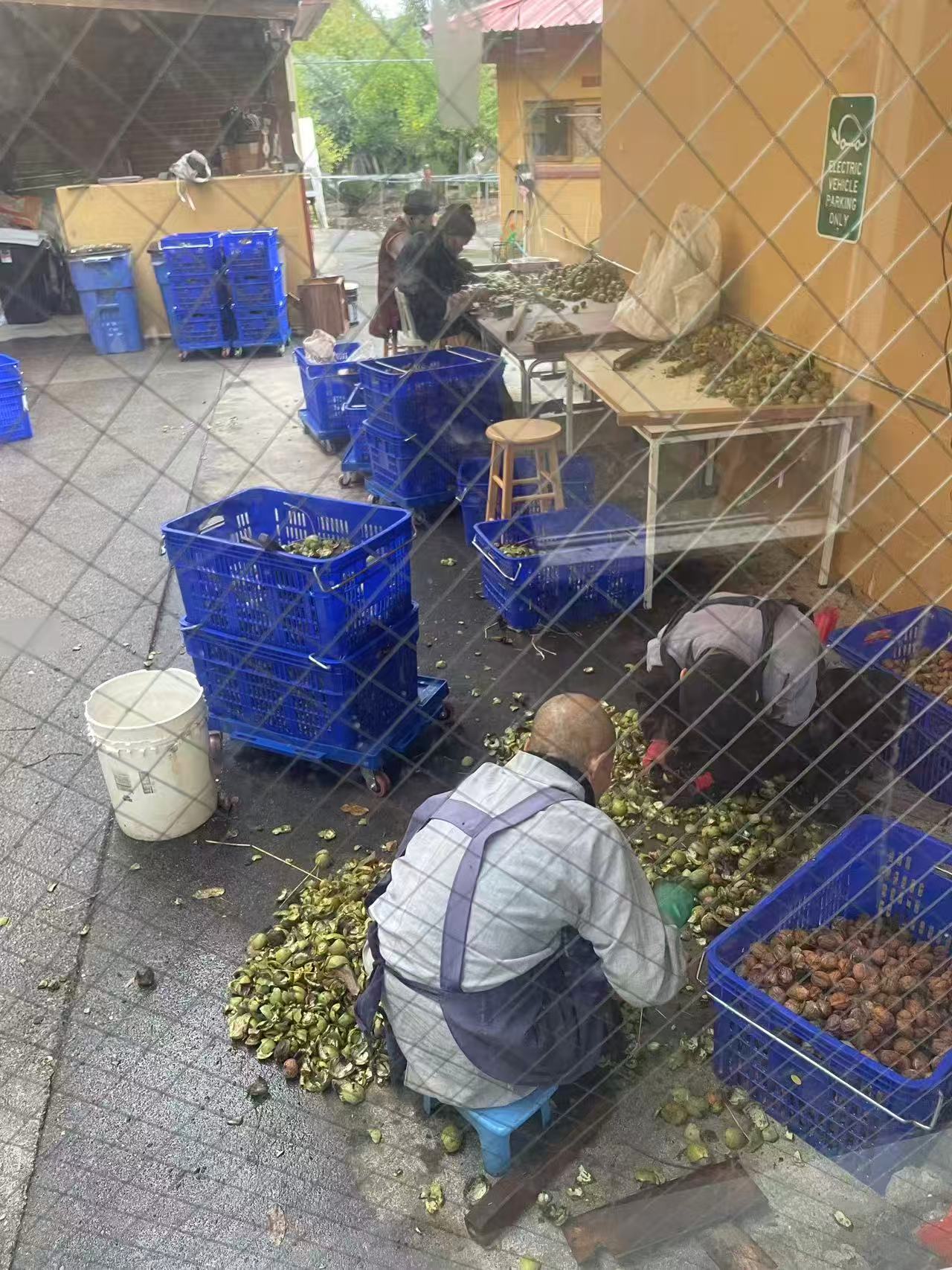
離開聖城、回到俗世之後,我還能感到這趟佛菩薩的加持力——在聖城那幾天,我甚至生起過很強烈的出家念頭。可一回到渾濁的環境裡,才兩三個月,心就慢慢散了,整個人渾渾噩噩,修行也退轉了。這讓我體會到清淨道場加持的珍貴:一旦離開,發心還不夠堅定的人,很容易被外境拉著往後退。
After leaving the City and returning to the mundane world, I could still feel the blessing power of the Buddhas and Bodhisattvas from this trip—during those days at the City, I had even given rise to a very strong intention to leave home and become a monastic. But once back in a turbid environment, within just two or three months my mind gradually scattered, I became muddled all over, and my practice regressed. This made me realize the preciousness of the blessing of a pure monastery: once one leaves, those whose resolve is not yet firm are easily pulled backward by external conditions.
從聖城第一次回來之後,外婆又重病臥床。早年我在道門學過四柱八字和奇門遁甲,起盤一看就知道:父親這一關能過去,外婆也還有壽數。這件事讓我體會到一層很殘酷的真相——壽數沒盡,人不會走,卻可能要承受巨大的痛苦。
After returning from the City the first time, my grandmother also fell seriously ill and took to her bed. In my early years I had studied the Four Pillars of Destiny and Qimen Dunjia in the Daoist tradition; casting a chart, I knew at once: my father would get through this hurdle, and my grandmother still had years of life left. This made me realize a rather cruel truth—if one’s allotted lifespan is not exhausted, one will not go, yet one may have to endure tremendous suffering.
外婆後期靠插管維持生命,為了防止她自己拔管,手腳都被綁著;長期臥床,糖尿病又引發潰爛,褥瘡一個接一個。她心裡其實已經不想再撐下去,想安靜靜地走,可現實不允許,上海這邊的醫生處於「人道主義」會強烈建議管子不能拔。但只能被動地活著,幾乎是生不如死。眼看著至親困在病痛裡,連好好地走都做不了主,我深深感到生命的無助,也越發生出要脫離輪迴、掙脫苦痛的心;更切身地明白,在生老病死面前,財富、名聲這些世間的熱鬧,一點意義都沒有。
In her later stage, my grandmother relied on tubes to sustain life; to prevent her from pulling them out herself, her hands and feet were bound; from long bedrest, and with diabetes causing ulceration, bedsores appeared one after another. In her heart she actually no longer wanted to hold on and wanted to go quietly, but reality did not allow it—the doctors in Shanghai, out of “humanitarianism,” would strongly advise that the tubes could not be removed. But being able to live only passively was almost worse than death. Watching a close relative trapped in illness, unable even to have a say in dying well, I felt deeply the helplessness of life, and all the more gave rise to the intention to escape saṃsāra and break free from suffering; I understood even more personally that in the face of birth, aging, illness, and death, wealth, fame, and all the bustle of the world mean nothing at all.
外婆病重,加上我本就有來皈依、受戒的心願,我第二次奔赴聖城,參加觀音七法會。
With my grandmother gravely ill, and because I already had the wish to take refuge and receive precepts, I went to the City a second time to attend the Guanyin Seven Dharma Assembly.
葉公好龍驚棒喝 老實念佛見真功
Startled Out of My Seeming Love of “Dragons” by the Blow and Shout
Testifying to True Merit Through Earnest Buddha Recitation
這一次,我的認識又上了一點,也照見了自己「葉公好龍」的一面。我一直以為自己是真心想出家的,可真的投進高强度、連軸轉的佛事功課裡,才發現自己和法師們差得太遠。像我們在俗世裡,工作強度再大,也不至於從睜眼忙到閉眼,總歸有摸魚、歇口氣、吃飯的工夫,隔三差五還能約上朋友出去;可在聖城,大家的發心是時時刻刻都在用功。
This time my understanding advanced a little further, and I also saw my own “Lord Ye’s love of dragons” side. I had always thought I truly wanted to leave home, but when I actually threw myself into the high-intensity, nonstop Buddhist activities, I discovered how far I was from the monastics. In the mundane world, no matter how intense the work, it is never from opening my eyes to closing them—there is always time to slack off, catch my breath, eat, and every so often I could meet friends and go out; but at the City, everyone’s resolve is to apply effort at every moment.
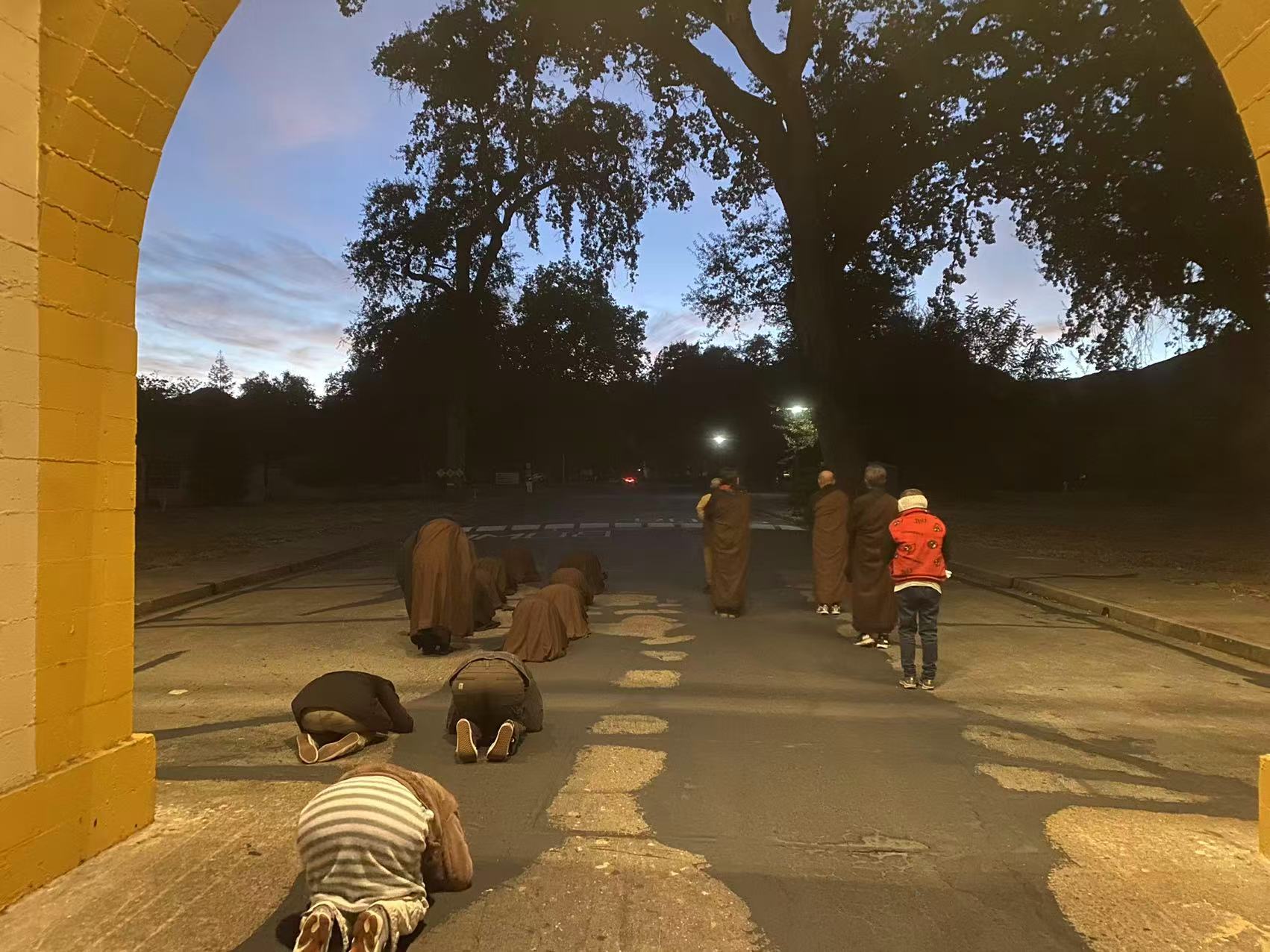
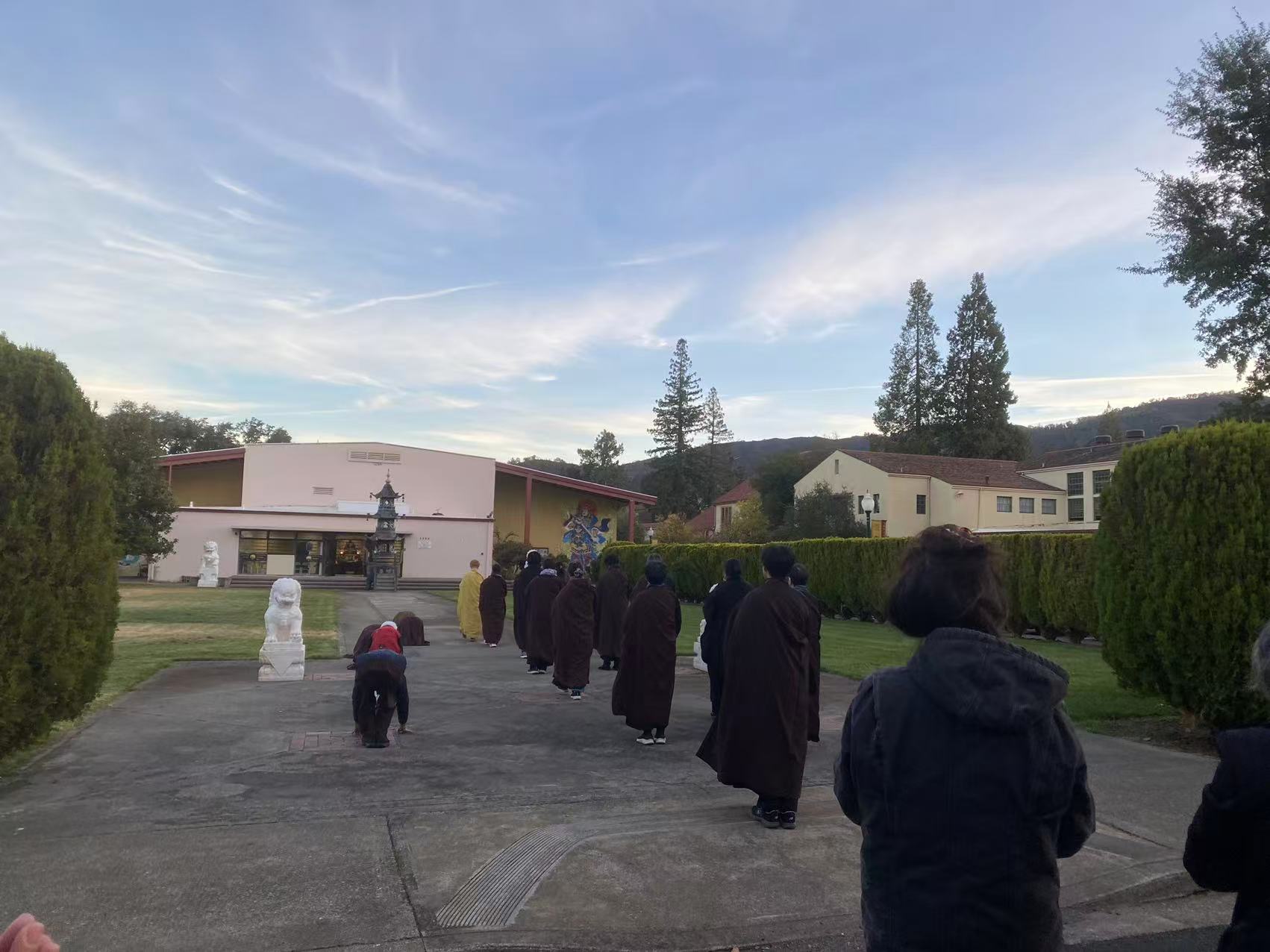
聖城的作息,從凌晨三點半的早課一直排到夜裡十多點,中間歇息的時間很短,其餘時候都在用功,對意志力是極大的考驗。頭一次去,我就學會了自己挑功課——心裡認定早課最要緊,晚上的聽法、大迴向便缺席,想抽空歇一歇、緩一緩疲憊。第二次來的頭幾天,這毛病又犯了:冬天夜裡又冷,被窩裡一暖和,人就犯懶,大迴向我總想著悄悄溜掉。
The City’s schedule runs from the three-thirty morning recitation all the way to past ten at night, with only brief rest periods in between, and the rest of the time is spent applying effort—a tremendous test of willpower. On my first visit, I learned to pick and choose my activities—convinced that the morning recitation was most important, I would skip the evening Dharma listening and great dedication, wanting to take time to rest and recover from fatigue. In the first few days of my second visit, the same habit recurred: the winter nights were cold, and once the bed was warm one grew lazy, and I always thought of quietly slipping away from the great dedication.
就這麼偷著懶,直到有一天被一位法師逮個正著。當時我正在道場做義工,她發現我沒去大迴向,一句話就點醒了我:「你要是來佛城睡覺,那幹嘛不回去睡?」這一句,我當時只覺得像當頭挨了一記金剛棒喝。
Slacking off like this, one day I was caught red-handed by a master. At the time I was doing volunteer work at the monastery; she discovered I had not gone to the great dedication, and with a single sentence she woke me up: “If you’ve come to the City of Buddha to sleep, then why not go home and sleep?” That one sentence felt to me at the time like a direct blow of the vajra staff.
我再看看這位法師自己就身體力行,隆冬時節仍穿得單薄,日復一日地修,我打心底裡佩服她的苦行。
Then I looked at how this master herself practiced what she preached—still thinly clad in the depths of winter, cultivating day after day—and I admired her ascetic practice from the bottom of my heart.
我這才明白:憑一時的熱忱修上一兩個月並不難,真正難的是一天接一天、常年不懈,那才是真功夫。我也看清了自己和真修行人之間,到底差著多遠。
Only then did I understand: to practice for a month or two out of a moment’s enthusiasm is not difficult; what is truly difficult is to keep at it day after day, year in and year out without slackening—that is real skill. I also saw clearly just how far I was from a true practitioner.
義工的最後幾天,這位法師還給我講了一則公案:虛雲老和尚門下有位上座,一心專念,證得了念佛三昧,一年的修持抵得上常人五年。因緣成熟之後,他向虛雲老和尚請往生堂,老和尚知道他要自在往生,便應允了。可這位弟子心裡還惦記著師父,放不下這份牽掛,老和尚便開示他不必執著,往生是好事。後來,他果真憑著念佛三昧的力量,自在火化、往生西方。而就是這樣一位了不起的修行人,生前有人向他請教修持的要領,他只回了四個字:老實念佛。
In the last few days of my volunteer work, this master also told me a koan: among the disciples of Elder Virtue Master Xuyun, there was one who single-mindedly focused on recitation and attained the Buddha-Recitation Samādhi; one year of his practice was worth five years of an ordinary person’s. When conditions matured, he asked Elder Xuyun for the Rebirth Hall; the Elder knew he was going to be reborn at will, and consented. But this disciple still had his master in his heart and could not let go of this attachment, so the Elder instructed him not to cling—rebirth was a good thing. Later, he indeed, by the power of the Buddha-Recitation Samādhi, cremated himself at will and was reborn in the Western Pure Land. And yet such a remarkable practitioner, when someone asked him the essentials of practice, answered with only four words: earnestly recite the Buddha’s name.
落到「老實念佛」這四個字上,我越發體會到,修行說難也難、說簡單也簡單,到頭來核心終究是磨練心性。哪怕人在道場,習氣照樣時不時冒出來:禪期裡,我總打妄想,天一乾燥就惦記著回去喝喜茶那類甜飲,一累就只想歇著。俗世裡好歹還能起身走動、放鬆一下,道場的功課卻是一環扣一環地往前推,逼著你時時刻刻打磨自己。
Landing on these four words—“earnestly recite the Buddha’s name”—I came to realize all the more that practice is hard yet also simple; in the end the core is still tempering the mind. Even when in a monastery, habits still surface from time to time: during the Chan session I was always lost in idle thoughts, and whenever it got dry I craved going back to drink sweet beverages like Heytea, and whenever tired I only wanted to rest. In the mundane world one can at least get up and move around, relax a bit; but the monastery’s activities push forward link by link, forcing you to polish yourself at every moment.
再看那些法師,哪怕身心俱疲,晚課上依舊坐得端端正正——這就是常年熏修戒定慧的樣子。我也因此對戒律有了新的體會:受五戒好比守世間的法律,是最基礎的約束;而戒定慧的真實功夫,則像匠人打磨手藝,得不停地淬煉,二者是缺一不可的。
Then look at those masters—even when physically and mentally exhausted, in the evening recitation they still sit upright and proper—this is what years of steeping in precepts, concentration, and wisdom looks like. I therefore also gained a new understanding of the precepts: receiving the Five Precepts is like observing the laws of the world, the most basic restraint; while the true skill of precepts, concentration, and wisdom is like a craftsman polishing his craft—it must be tempered ceaselessly. The two are indispensable to each other.
在聖城的這些日子,還有兩段體驗讓我格外難忘。一次,是那位法師的開示。那天正趕上室友過生日,他坐下來給我們幾個講法。因為早先開竅留下的敏銳感知,我忽然看見他眼底透出不一樣的威嚴——那是戒定慧長久涵養出來的威嚴,連跟著我的那些眾生都為之畏懼。我由此聯想到,護法、天神的力量,原來正是從這樣清淨的修為裡生出來的,這才真切意識到這位法師修為之深。
During these days at the City, there were also two experiences I found especially unforgettable. One was this master’s teaching. That day happened to be my roommate’s birthday, and he sat down to expound the Dharma to a few of us. Because of the keen perception left from my earlier opened apertures, I suddenly saw a different kind of majesty shining in his eyes—a majesty cultivated over long years of precepts, concentration, and wisdom—and even the beings who followed me were in awe of it. From this I reflected that the power of Dharma protectors and heavenly deities is originally born from exactly such pure cultivation—only then did I truly realize the depth of this master’s practice.
兩趟聖城走下來,我的體會是:在家自修太容易散亂、退轉;而清淨道場自有龍天護法護持,每來一次行善護法,都能得到點撥,都能照見自己的差距、看清往後該往哪兒使勁。臨別的時候,法師囑咐我,回到城裡也要誠心修行、誠心待人、生活儉樸、老實念佛,盼著因緣成熟了,我還能再回來。
Having made two trips to the City, my realization is this: cultivating at home on one’s own is too easily scattered and prone to regression; whereas a pure monastery has the protection of dragons and heavenly beings, and each visit to do good and protect the Dharma brings guidance, allows one to see one’s own shortcomings, and makes clear where to apply effort going forward. At parting, the master instructed me that after returning to the city I too should practice sincerely, treat people sincerely, live simply, and earnestly recite the Buddha’s name, hoping that when conditions mature I might return again.
有一個典故叫「蘭因絮果」,這四個字。人們常用它嘆惋姻緣——起初是蘭花般美好的因,到頭來卻結出柳絮般飄零離散的果。可我慢慢品出另一層意思:世間萬般牽纏,若只貪戀那一點「蘭因」的好,不肯深究,終究要在聚散無常裡隨業飄零。唯有早看清這因果的來處,不再追逐喧囂浮華,像一棵樹那樣默默扎根、靜靜沉澱,才不至於在苦海裡白白浮沉。修行這條路,說到底也正是如此。
There is an allusion called “orchid cause, willow-catkin fruit.” People often use it to lament marriage—at first a cause as beautiful as an orchid, yet in the end bearing fruit as drifting and scattered as willow catkins. But I have gradually tasted another meaning in it: all the entanglements of the world—if one only clings to the goodness of that bit of “orchid cause” and refuses to look deeper, one will ultimately drift with karma amid the impermanence of gathering and parting. Only by seeing early the origin of this cause and effect, no longer chasing after noise and vanity, and like a tree silently taking root and quietly settling, can one avoid floating and sinking in vain in the sea of suffering. The path of practice, in the end, is exactly like this.
早悟蘭因,苦海浮沉回此身。
Awakening early to the orchid cause, returning to this body through the floating and sinking of the sea of suffering.
離開聖城的那幾天,有一首曲子我一直反覆聽,就用它作個收束吧——
In the days after leaving the City, there was a piece of music I kept listening to over and over—let me use it to close:
願法師身心安穩自在,所發的宏願都能圓滿成就。願這座聖城被越來越多的人知道,世界各地的有緣人都能奔赴到這裡,聞思佛法、弘法護法;也願各方的師兄都能遇上這份殊勝的因緣,相聚聖城、安住師尊座下;願師尊法體恆常康泰,年年耕耘,年年都結碩果🙏
May the master be peaceful and at ease in body and mind, and may all his great vows be perfectly fulfilled. May this City of Ten Thousand Buddhas be known by more and more people, and may those with karmic affinity throughout the world be able to journey here to hear and contemplate the Buddhadharma, to propagate and protect the Dharma; and may fellow practitioners everywhere encounter this extraordinary karmic connection, gather at the City, and dwell under the Master’s seat. May the Master’s Dharma body remain ever healthy and at peace, cultivating year after year, and bearing fruit year after year. 🙏